

Tips on Towing Safely and Confidently
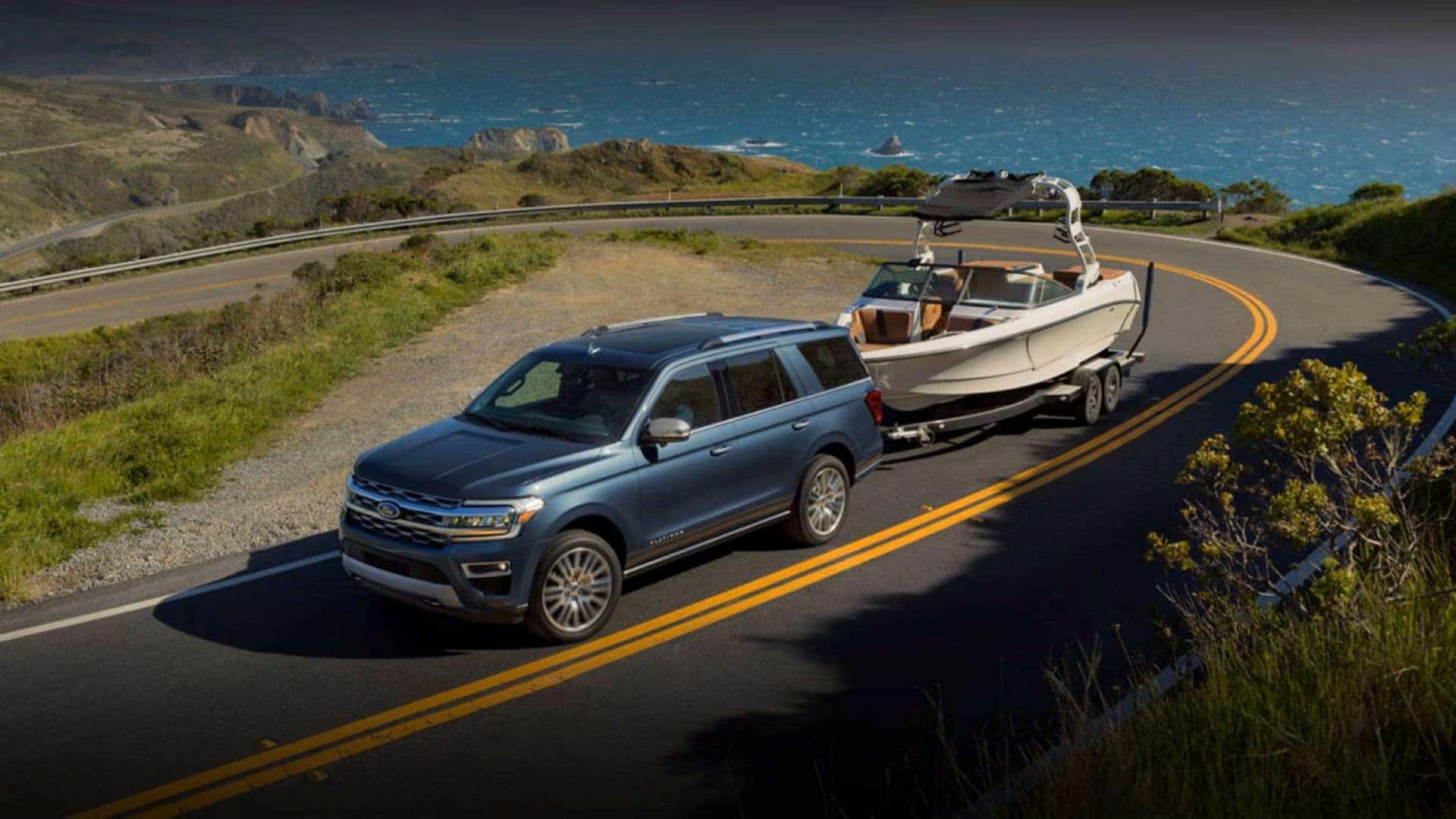
Towing a trailer, boat, or camper can be an essential part of work, recreation, or travel. Whether you are towing for the first time or you are a seasoned hauler, it is crucial to understand the ins and outs of safe towing. Poor preparation or inexperience can lead to damage, fines, or accidents. Consider that an accident when towing is likely to damage both your trailer and tow vehicle, not to mention the collateral damage. This post by Dick Smith Ford offers some key advice on how to tow safely, legally, and confidently. While gooseneck and fifth-wheel options are a form of towing, this post will concentrate on the more common towing through a ball hitch.
Know All of the Important Towing Specifications
Before hitching up anything, understanding your vehicle’s towing capacity is the most crucial step. This towing capacity figure is easily accessible through the owner’s manual or the manufacturer’s specifications. It indicates the maximum weight your vehicle can safely tow, including the trailer and its contents. However, that is not the only figure you need to consider. There are several additional figures necessary to prevent overloading your engine, transmission, brakes, and suspension, or creating instability on the road.
- Gross Vehicle Weight Rating (GVWR) —GVWR indicates the maximum allowable weight of a fully loaded vehicle, including liquids, passengers, cargo, and the kingpin or tongue weight of any attached trailer. This rating is displayed on the certification label, typically located near the driver’s side door. Some late-model vehicles may provide this information on a specific Trailering Information label. Manufacturers determine the GVWR based on the weakest element among the load-bearing components, such as the frame, axles, springs, brakes, rims, and tires.
- Trailer Weight Rating (TWR) —This indicates the maximum allowable weight of a loaded trailer for a specific type of tow vehicle and hitch type, as determined by the trailer manufacturer.
- Gross Combination Weight Rating (GCWR) — GCWR represents the maximum weight that both the tow vehicle and trailer can safely weigh together. You can find the GCWR in the owner’s manual or the brochure for your tow vehicle model, which is typically available from the dealership. Newer vehicles may include a “Trailering Information” label that indicates the GCWR. GCWR assumes that both the tow vehicle and trailer have functioning brakes.
- Tongue Weight (TW) — This refers to the vertical load applied upon the hitch. For most applications, it should range from 10% to 15% of the trailer’s TWR.
 Choose the Right Hitch and Equipment
Not all hitches are created equal. Select a hitch that corresponds to your vehicle’s towing class and is rated for the weight you intend to haul. There are five hitch classes, from Class I, intended for light-duty towing (up to 2,000 lb.), to Class V, suitable for heavy-duty trailers (up to 20,000 lb. with the appropriate equipment).
Essential towing components include:
- Hitch receiver – Most trailer hitches are designed to attach at a level angle to the trailer tongue. However, if your vehicle is lifted or if there is another reason the hitch is not at the correct height to keep the trailer level, you will need a hitch with height-adjustment capabilities.
- Ball mount
- Hitch ball (ensure the correct size – usually 1-7/8”, 2”, or 2-5/16”)
- Safety chains (cross them in an “X” under the tongue for security)
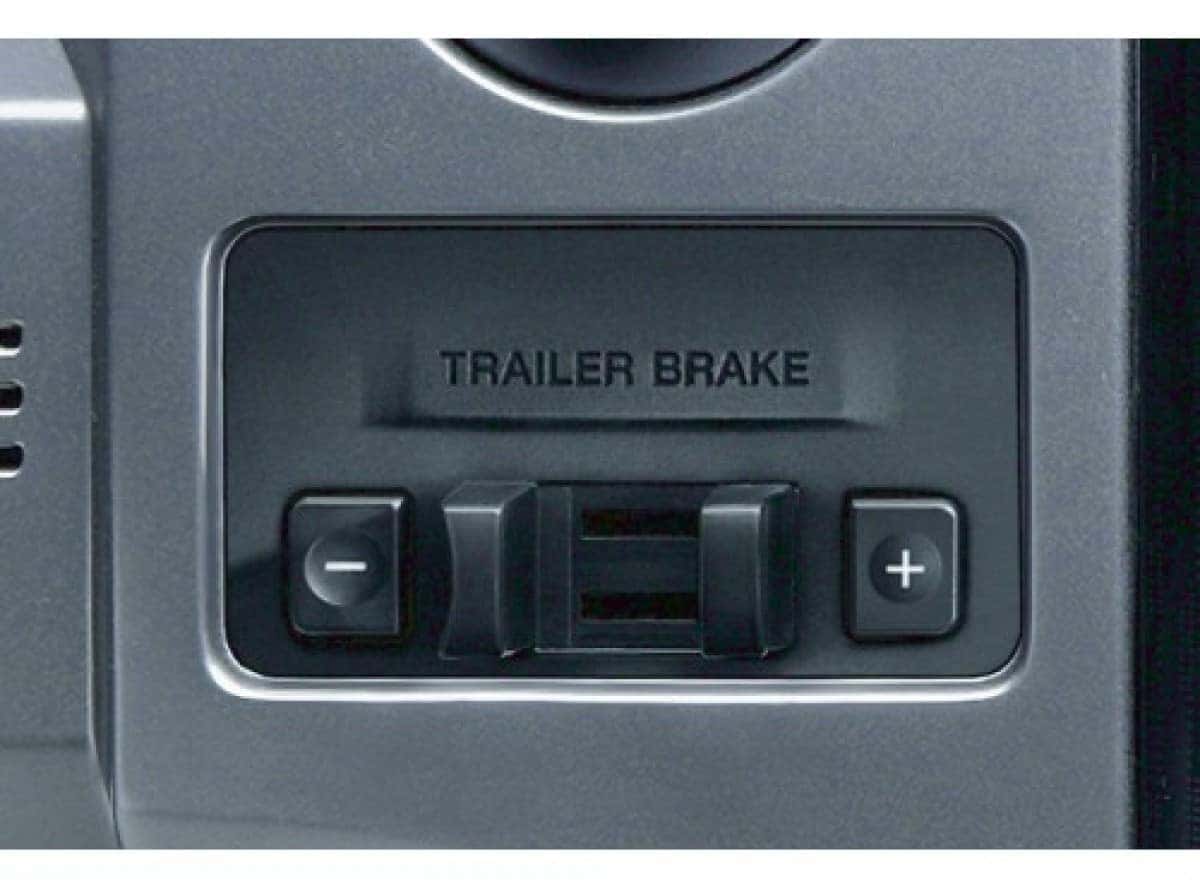
- Trailer brakes and brake controller. In North Carolina, trailers with a Gross Vehicle Weight Rating of 4,000 pounds or more are required by law to have brakes. In most states, the requirement is 3,000 pounds or more, and it is required by law to have brakes on all wheels. Both these figures are rather generous. You should probably have trailer brakes on any trailer over 1,500 to 2,000 pounds.
Trailer Load Distribution and Leveling
Improper load distribution is a leading cause of trailer sway and instability. Place heavier items over the trailer’s axle, slightly towards the front, aiming for about 60% of the weight in the front half. The concern is that excessive weight in the back can lead to fishtailing.
Your trailer should sit level from side to side and from front to rear. You don’t want the trailer’s bumper to tilt downwards, nor should the combination of the vehicle and trailer sag at the hitch. To alleviate sag, start by shifting cargo away from the very front of the trailer. If that doesn’t help, your tow vehicle may be unsuitable for this task or may need adjustments to its rear suspension.
Do a Pre-Trip Inspection
You should have a checklist before you embark on your trip, at least until it becomes second nature. Included on the list should be:
- Hitch and coupler are secure.
- Safety chains are crossed and properly attached.
- Test trailer lights. This requires an assistant behind the trailer to verify that your brake lights, taillights, turn signals, and backup lights are all functioning correctly.
- Check tire pressure and tread on both vehicle and trailer tires.
- Look for loose bolts, leaks, or any signs of wear.
Drive Differently When Towing
Strive for smoothness at all times. This is a good goal for any kind of driving, but with a trailer, it is important to avoid sharp actions whenever possible, as they will reverberate between the two vehicles and reduce stability.
- Accelerate gradually – your vehicle needs more power to move.
- Allow extra braking distance – trailers add significant stopping weight.
- Take wide turns – trailers track within your turning radius.
- Avoid sudden maneuvers – they can cause the trailer to sway.
- Use lower gears on descents or climbs to control speed and reduce strain.
Always remain alert and avoid distractions. Keep both hands on the wheel, and frequently check your mirrors.
 Watch for Sway and Know How to Handle It
Trailer sway can occur from wind gusts, passing trucks, or improper weight distribution. If you feel the trailer swaying:
- Don’t panic or steer sharply
- Do not hit the brakes
- Take your foot off the accelerator and keep the wheel straight
- If you have a trailer brake controller, apply the trailer brakes manually to reduce sway
If swaying is frequent, check your load distribution and tire pressure, and consider using a weight-distribution hitch or sway control system.
 Tips on Reversing
Backing up with a trailer can be intimidating. Almost no one excels at it as a beginner. Practicing in an empty parking lot or a wide-open area is beneficial for familiarizing yourself with how your tow vehicle and trailer respond to your movements. Here are a few tips:
- Try to approach the location so that the final destination is on the driver’s side. This enables you to quickly survey the area for any obstructions, and you will have an unobstructed view of at least your side of the trailer as it turns into the site through your driver’s side window.
- With the destination on the driver’s side, position the vehicle on the left side of the road, opposite to where you would typically be. This allows plenty of room on the passenger side, which you can’t see as well. Initially, both the rear of your tow vehicle and the front of the trailer will swing out in that direction, followed by the front of your tow vehicle, so you want to ensure there is enough space.
- Pull forward until the back of your trailer is just your side of the site entrance. This will help you begin your turn with a lower risk of the trailer extending too far beyond the edge of the site on the opposite side, which is out of your view.
- If you have passengers, select one to help guide you. Establish your commands and gestures in advance and consider using walkie-talkies or cell phones to communicate. Have them position themselves on the passenger side, at the far end of the site entrance, to assist you with areas you cannot see. Once the trailer is about halfway into the site, stop and have them move to the far end on the passenger side that you cannot see to help guide you the rest of the way, and inform you when to stop.
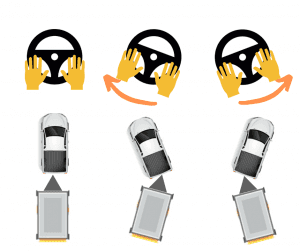
- Consider holding the bottom of the steering wheel when reversing with a trailer. This way, if you want the trailer to go left, you will move your hand to the left, and vice versa.
Plan Your Route
Not all roads, bridges, or parking areas are suitable for trailers. Plan ahead using GPS systems that offer trailer-specific routing, if available. Avoid narrow roads, low-clearance bridges, steep grades, or tight urban areas that may pose challenges when towing a trailer.
When possible, avoid heavy traffic hours and allow extra time for breaks and slower speeds. Always keep your towing documentation (registration, insurance, permits) readily available in case you’re stopped or involved in an accident.
 Conclusion
Towing is a responsibility that requires attention to detail, preparation, and awareness. By mastering the details, knowing your limits, using the right equipment, and adjusting your driving habits, you can ensure that towing is a safe and confident experience. If you are looking for a tow vehicle at Dick Smith Ford, make sure to consult with the sales professionals about your towing plans. When purchasing a trailer, ask as many questions as possible of the seller.

0 comment(s) so far on Tips on Towing Safely and Confidently